 Closure of Cloud Forest on 26 Oct 2026
Cloud Forest will be closed on 26 Oct 2026 for Maintenance.
Traffic Advisory for Garmin Run Marathon Series 2026 Singapore on Sun, 25 Oct 2026
Please note the following carpark arrangements to facilitate the Garmin Run Marathon Series 2026 Singapore:
- Satay by the Bay Carpark: Closed from 12.01am to 8.00am.
- Main Entrance Basement Carpark: Opens earlier at 3.00am.
- Bayfront Plaza and The Meadow Carparks: Remain accessible throughout the event.
Traffic delays may be expected at the Gardens' carparks due to the Garmin Run Marathon Series 2026 Singapore.
For more details, click here for more details.
Advisory for use of tripods at Disney Garden of Wonder at Floral Fantasy
For a better visiting experience and facilitate crowd movement, we seek your kind understanding that usage of tripods and camera stands will not be permitted in Floral Fantasy.
Bay South–Bay East Bridge Construction from 4 May 2026
To facilitate the construction of the bridge linking Bay South Garden and Bay East Garden, there will be no access for cyclists along the Waterfront Promenade from 4 May 2026. During the construction of the bridge, cyclists heading towards Marina Barrage are advised to take an alternative route around the perimeter of Bay South Garden. Pedestrians may still access the Waterfront Promenade, with a slight diversion to their route.
Click here to download the diversion map.

{{ suggestion.item }}
{{ noOfResults }} results found for "{{ submittedQuery }}"
Filter by
({{ currentFilters.length }})

Showing {{ searchResults.length }} out of {{ noOfResults }}
{{ result.category.label }}
We’re sorry. 0 results found for "{{ submittedQuery }}"
Try doing these:
- Check your spelling
- Try more general words
- Try different keywords
Giant Cabomba (Cabomba aquatica)
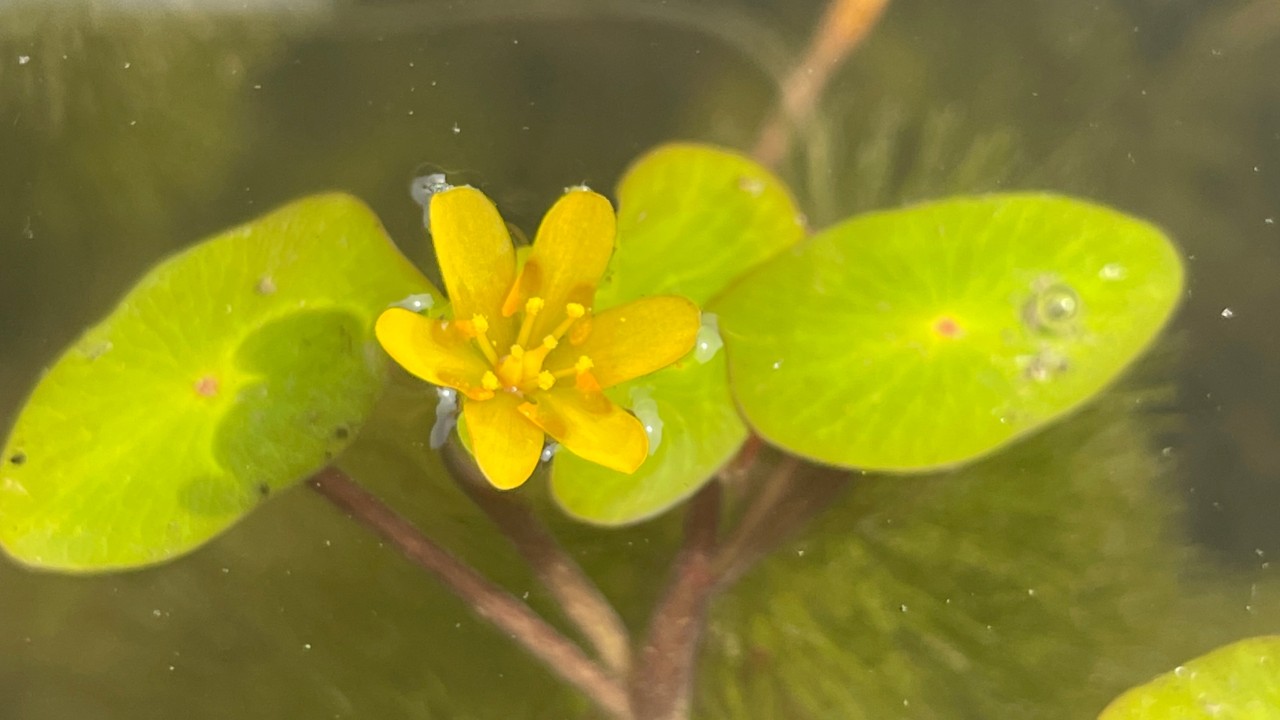
“Look at those miniature pads - is it a dwarf water lily (Nymphea spp.)? No, with those single-petaled, bright yellow flowers, it’s obviously a yellow water snowflake (Nymphoides geminata)! Wait, it’s growing from a submersed plant that looks like…a Cabomba?! Who would have thought this aquatic weed could have such pretty flowers and cool floating leaves!” Such was my internal narrative when I first approached the waterfront at the Kingfisher Wetlands Wildlife Lookout a week ago.
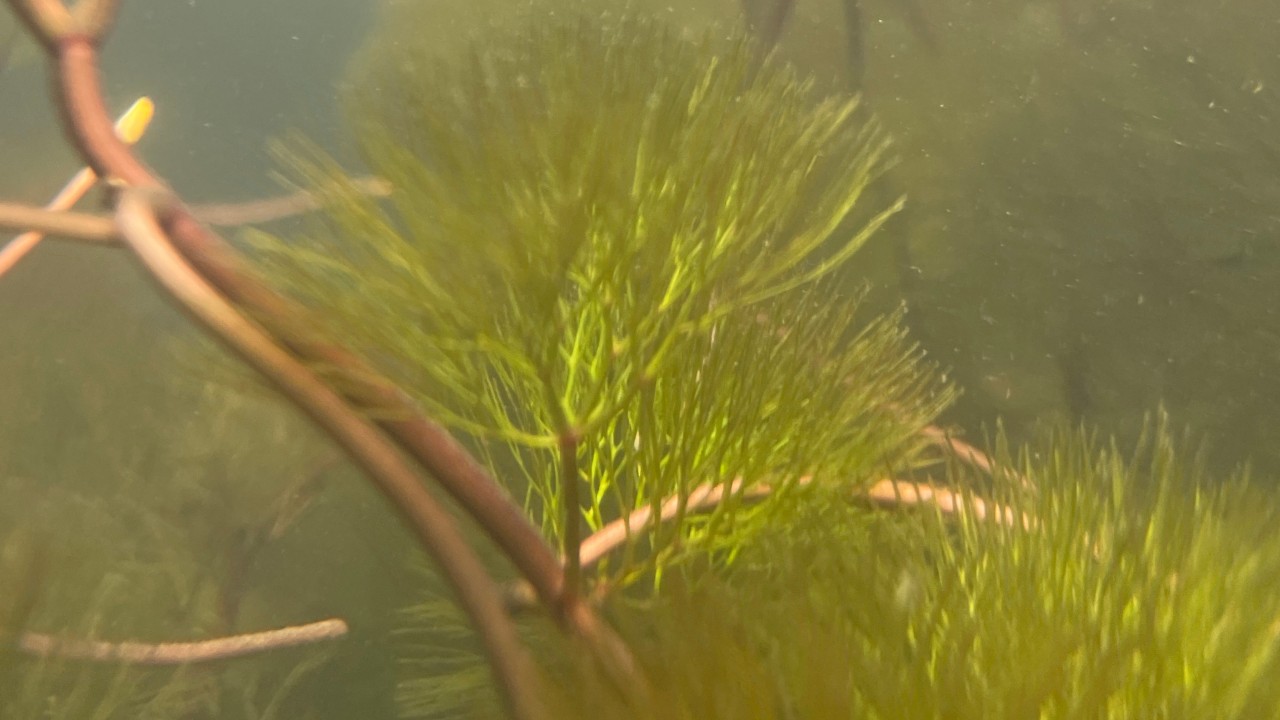 You might be more familiar with this fully submerged view of the feathery, underwater leaves of the giant cabomba through the glass of your home aquarium.
This week’s What’s Blooming feature plant might be one you have in your own home – if you keep a well-lit freshwater aquarium, that is! The giant cabomba (Cabomba aquatica) and its cousin, the Carolina fanwort (Cabomba caroliniana) are often sold in the aquarium trade as attractive underwater plants with their plush, finely divided pinnate leaves that sway gently in the water current.
Hailing from ponds, lakes, and gentle streams in northern South America, from Venezuela to Brazil, this plant is fully aquatic and rooted in the underwater soil bed of the waterbodies it grows in. Its reddish stems can get up to 1.5 in length and support oppositely arranged pairs of feathery, fan-shaped leaves, so finely divided that each leaf can have up to 500 segments!
What initially stymied me about this plant was its rounded, floating leaves, superficially resembling those of water lily (Nymphaea spp.) to which it is distantly related, but without a cleft or split. The giant cabomba, to my surprise, exhibits two distinct leaf forms – a phenomenon called heterophylly, from the Greek for ‘different’ and ‘leaf’.
The primary leaves are the finely dissected fan-shaped aquatic leaves that are borne on opposite sides of the stems. These are the primary drivers of photosynthesis for the plant’s growth. However, when the plants are triggered to flower – reportedly year-round in parts of its native habitat in Brazil, but likely seasonally in Singapore - the growing tip of each shoot starts to develop leaves of a very different shape: simple, ovate or elliptical leaves with a solid blade with a leaf stalk attached to the centre of the underside of each leaf. These are informally called ‘floating leaves’ as the leaf blades float at the water’s surface.
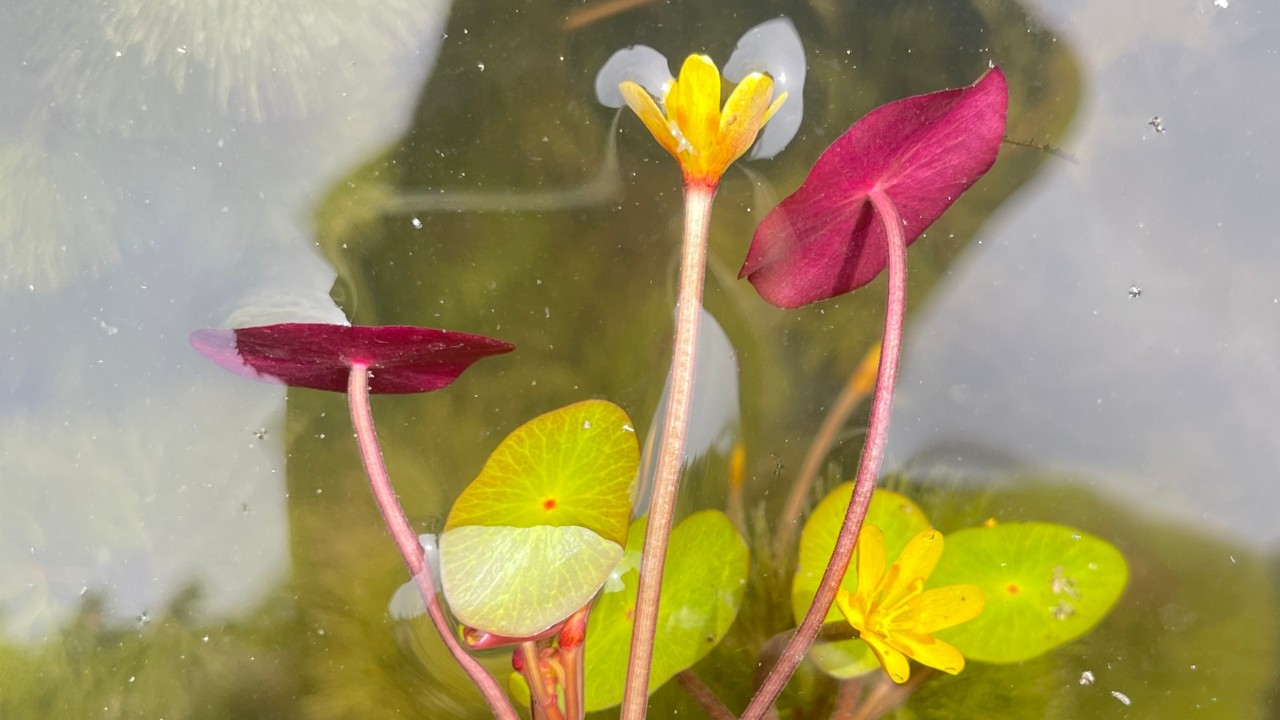 Both the stems and undersides of the floating leaves are shades of red or pink.
Each leaf supports a small flower about 2-3cm above the water and 1cm in diameter. The outer three bright yellow sepals and inner trio of almost-identical petals are difficult to distinguish from each other except by their relative position and are together called tepals. Each flower opens for just two days attracting insects like bees or flies to come pollinate it, after which it develops a tiny fruit with single oval seed that is released underwater.
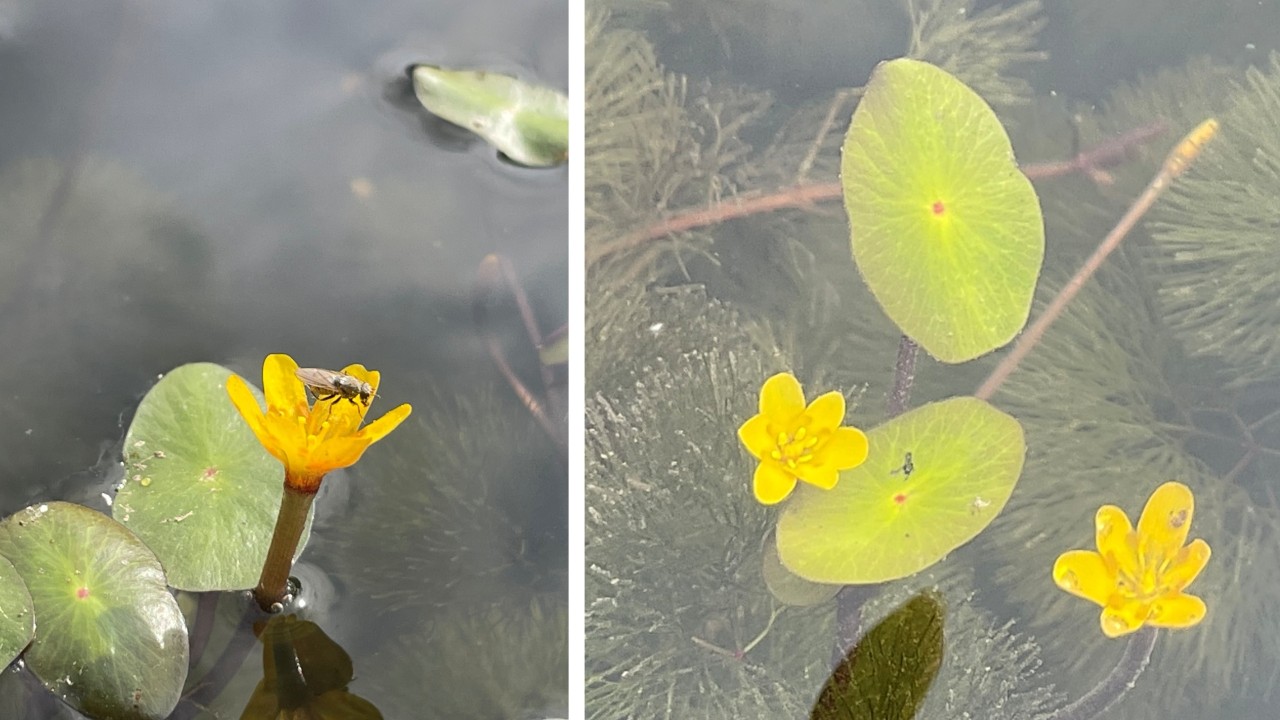 Most of the time, the floating leaves help bear the flowers above the surface so its pollinators can visit them (left), but sometimes, likely due to a sudden rise in pond water depth due to heavy rainfall, the flowers may be submerged and open underwater(right).
Find the giant cabomba displaying both its feathery submerged and rounded floating leaves as well as its bright yellow flowers in Lotus Pond at the Kingfisher Wetlands Wildlife lookout! Come in the morning, as the flowers close in the late afternoon.
Written by: Janelle Jung, Senior Researcher (Research and Horticulture)
A transplanted pake (Hawai'i-born Chinese), she's finding her own Singaporean roots. Every plant has a story, and Janelle helps discover and share these with colleagues and guests, hoping to spark a mutual plant passion! Ask her what plant she named her cat after!
This article is part of our What's Blooming series.
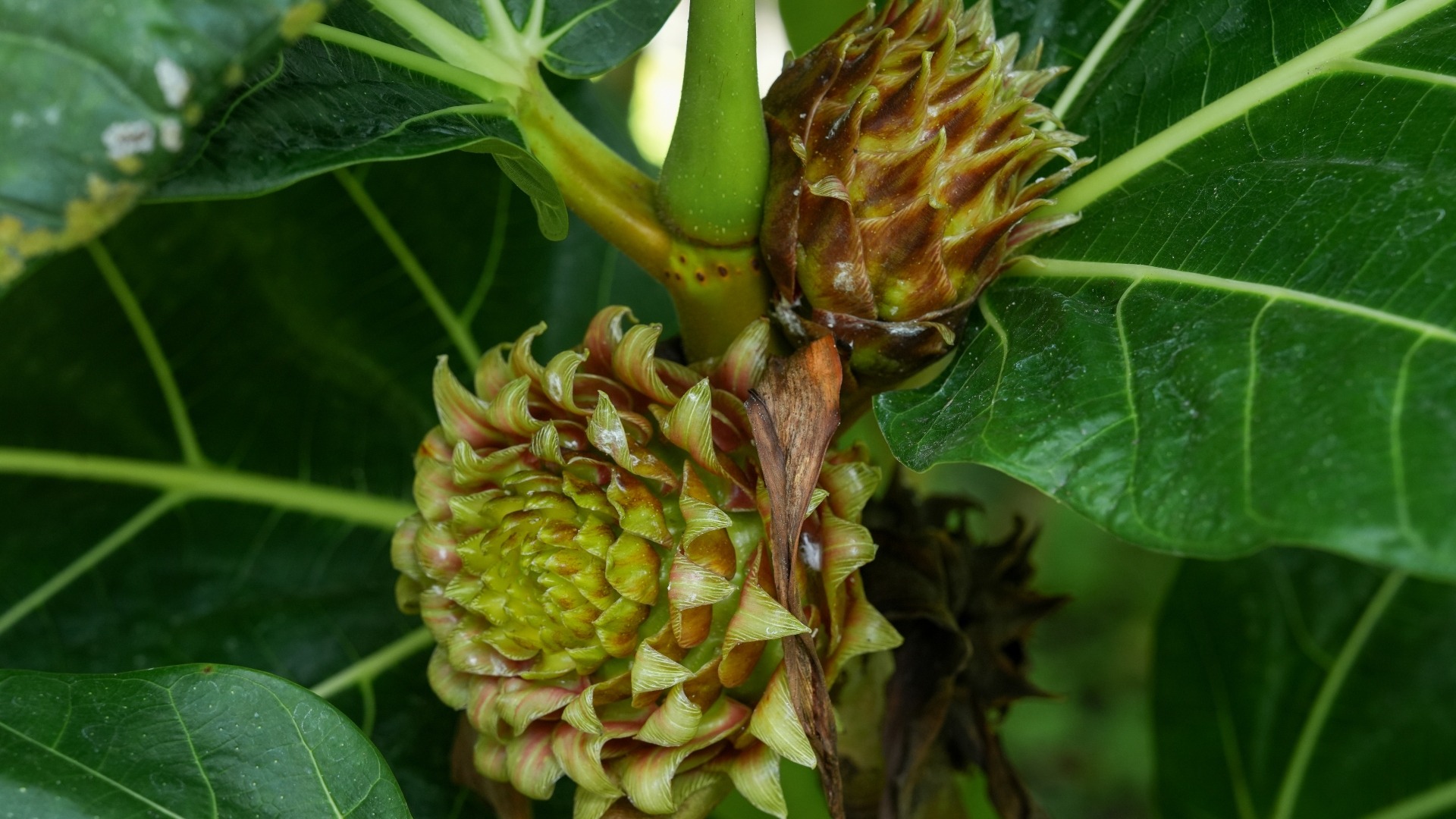
Read Next: Lowland Breadfruit Fig (Ficus brusii)
Can you guess what these scaly structures are? While they might look like flowers or pinecones, the real identity of these complex forms on this New Guinea fig species might surprise you!
You may also be
interested in
/1000x1000-thumb-waqanki-01.jpg)
 Back To Top