 Closure of Supertree Observatory on 15 Oct 2026
Supertree Observatory will be closed on 15 Oct 2026 for Maintenance.
Advisory for use of tripods at Disney Garden of Wonder at Floral Fantasy
For a better visiting experience and facilitate crowd movement, we seek your kind understanding that usage of tripods and camera stands will not be permitted in Floral Fantasy.
Bay South–Bay East Bridge Construction from 4 May 2026
To facilitate the construction of the bridge linking Bay South Garden and Bay East Garden, there will be no access for cyclists along the Waterfront Promenade from 4 May 2026. During the construction of the bridge, cyclists heading towards Marina Barrage are advised to take an alternative route around the perimeter of Bay South Garden. Pedestrians may still access the Waterfront Promenade, with a slight diversion to their route.
Click here to download the diversion map.

{{ suggestion.item }}
{{ noOfResults }} results found for "{{ submittedQuery }}"
Filter by
({{ currentFilters.length }})

Showing {{ searchResults.length }} out of {{ noOfResults }}
{{ result.category.label }}
We’re sorry. 0 results found for "{{ submittedQuery }}"
Try doing these:
- Check your spelling
- Try more general words
- Try different keywords
Asian Openbill (Anastomus oscitans)
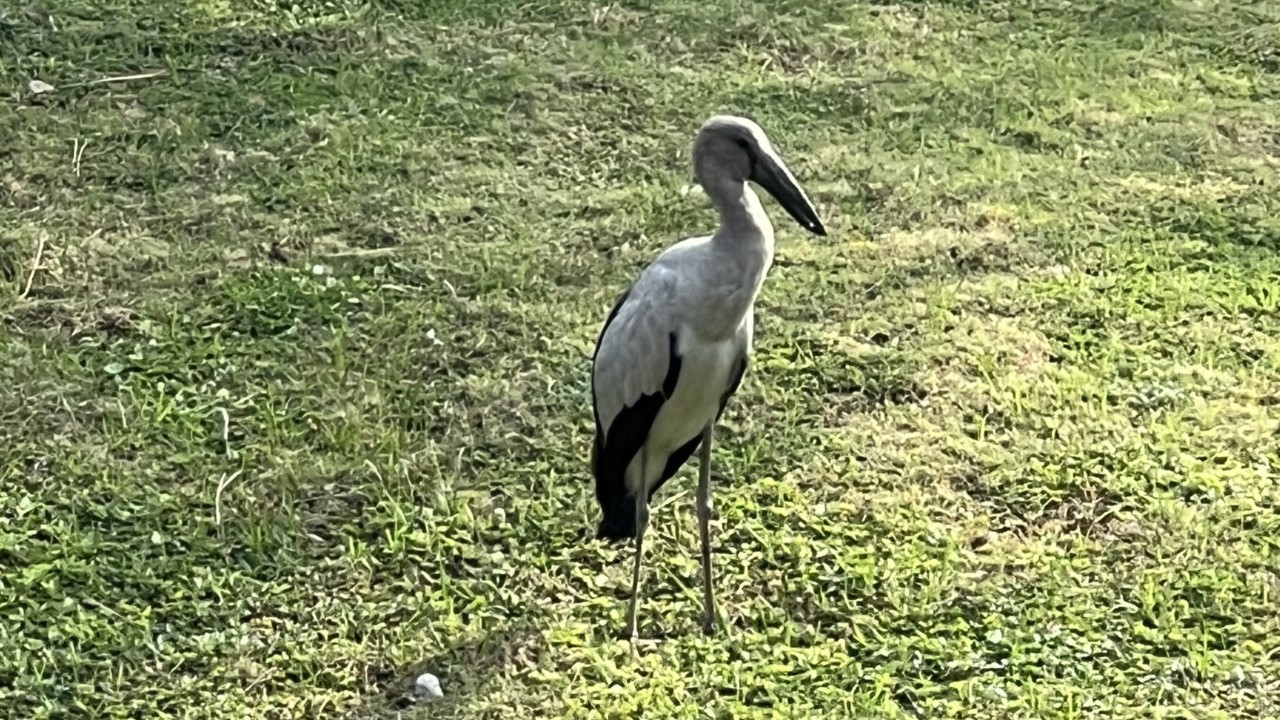
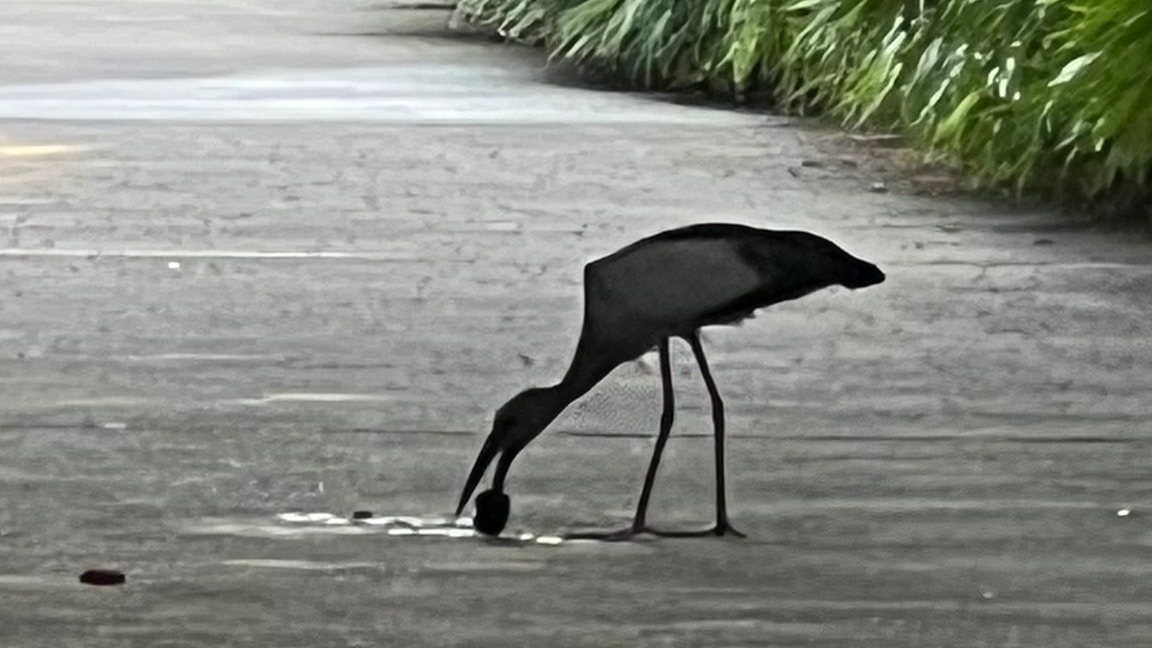
The Asian Openbill (Anastomus oscitans) is a fascinating stork best known for the unusual gap in its bill. The distinctive shape is a clever adaptation - together with the fine brush-like edges on the mandibles - that allows them to handle and extract soft bodies from hard shells with precision, making it a specialist feeder in wetland environments. They also supplement their diet with frogs, large insects, and occasionally small fish.
Standing tall (about 68-81cm) with pale grey plumage, black wing feathers, and long legs, the Asian Openbill is an eye-catching sight wherever it appears. Native to the Indian Subcontinent and mainland Southeast Asia, they inhabit and forage in shallow wetlands, marshes, rice fields, and flooded grasslands. While many populations are resident, Asian Openbills are known to move over long distances when water levels, rainfall, or food availability change. These movements can sometimes bring them far beyond their usual range.
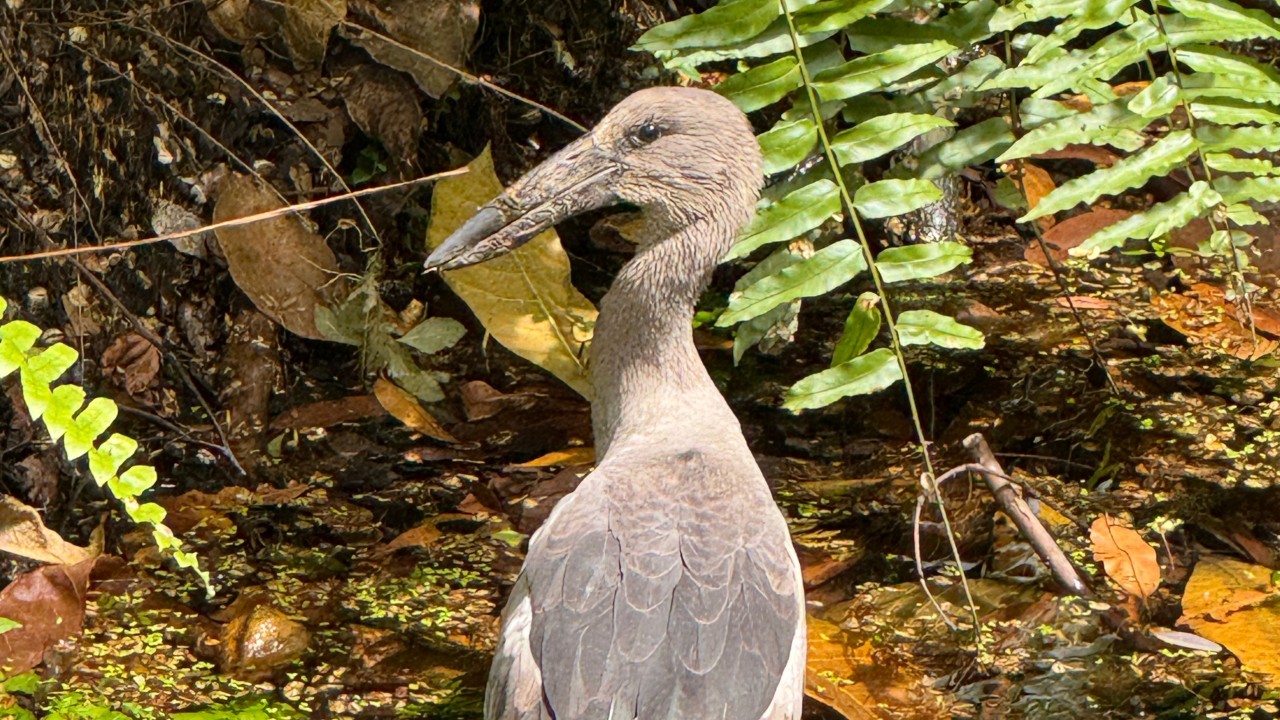
The Asian Openbill is considered a rare visitor to Singapore. First recorded locally in 2013, it gained widespread attention between 2019 and 2021 when unusually large numbers appeared across the island. Often seen around wetlands, reservoirs, and parks, they have been observed feeding on snails in these freshwater habitats. This year, large flocks of them have been sighted at multiple waterbodies across the Gardens, including Kingfisher Wetlands, Sustainability Gallery and Bayfront MRT.
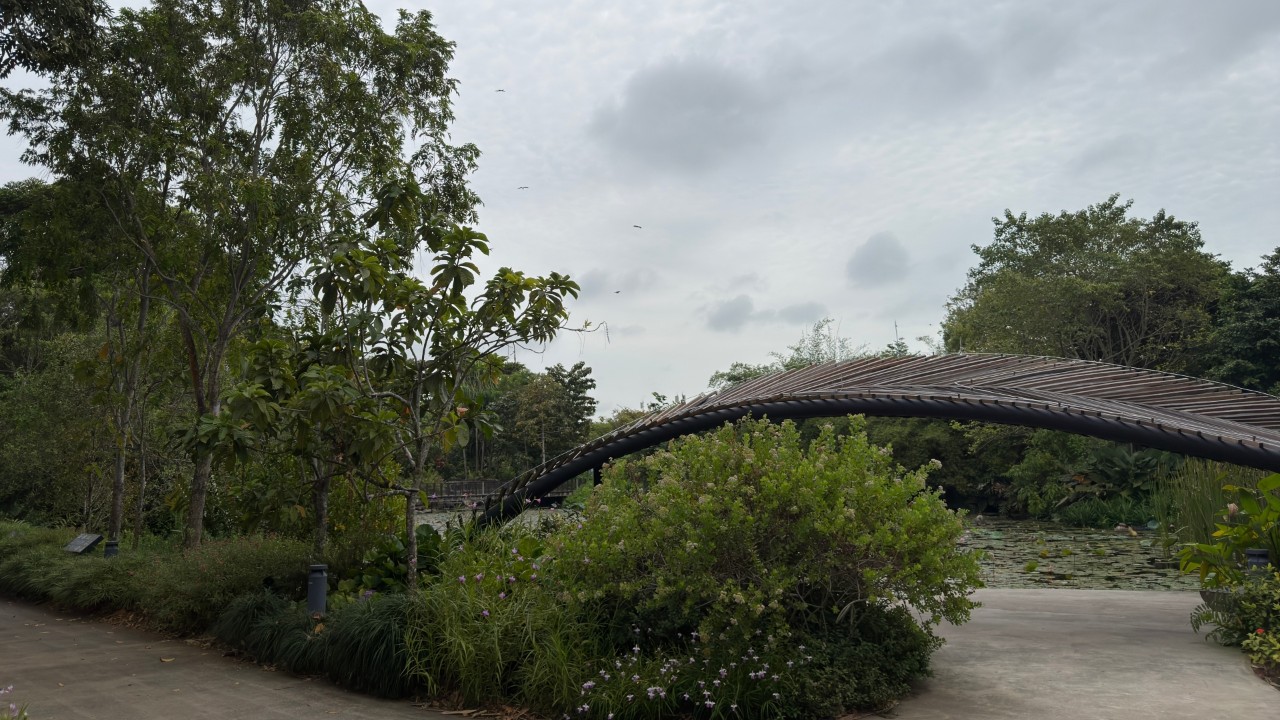
Scientists hypothesised that their increased sightings in Singapore could be due to the increased population of the species from conservation efforts in Thailand, Cambodia and Vietnam, leading to their expansion in range. Given their adaptability to urban freshwater habitats and the availability of freshwater snails in Singapore, scientists suggest that there might even be potential for them to become residents eventually. These sightings highlighted the significance of our urban wetlands in our City in Nature as an important stopover and refuge for migratory birds.
You may also be
interested in

 Back To Top